

A Guide to Portrait Mode Slots for Mobile Players
The vertical orientation of modern smartphones has forced gaming companies to rethink slot design. Portrait mode slots represent a subtle shift in how the industry accommodates mobile players, with consequences that extend beyond mere ergonomics.
Filed 23 April 2026 · 3 min read
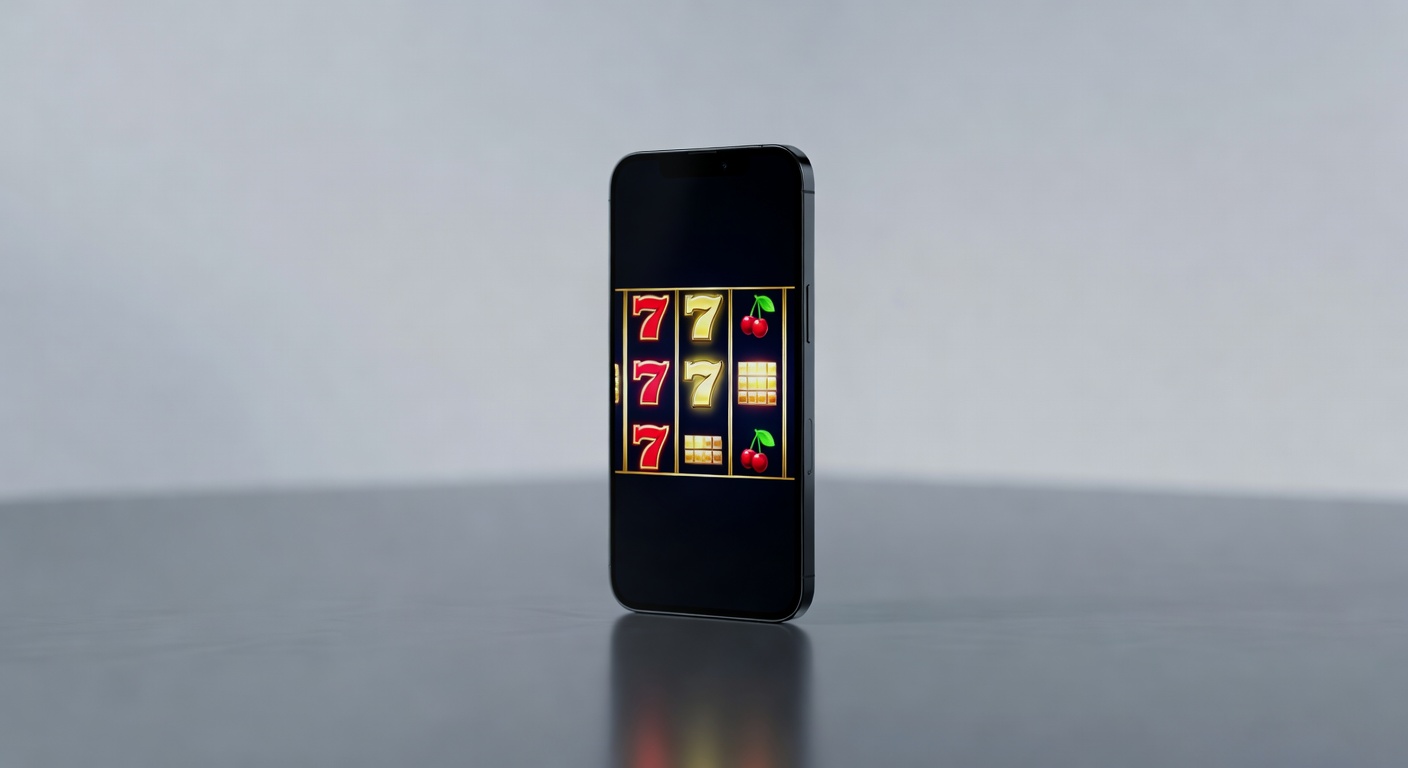
Slot machines have occupied an awkward middle ground in the mobile gaming landscape. The traditional slot cabinet presents itself in landscape orientation, with reels arranged horizontally across a wide field. The smartphone, by contrast, is an inherently vertical device. Most people hold them upright. The mismatch created an early problem for the online gambling industry: how to fit a landscape game onto a portrait screen?
The solution, to which we have become accustomed over the past decade, was to simply pinch, scale, and squash the landscape layout into a vertical format. This worked after a fashion, but it left much of the screen empty. Players rotated their phones sideways to play, defeating the convenience mobile gaming was meant to offer. A secondary solution involved resizing and repositioning elements, which often produced awkwardly cramped interfaces where buttons overlapped and information was difficult to parse.
The Modern Portrait Slot
Slot manufacturers have gradually begun designing new games specifically for portrait orientation rather than adapting existing landscape designs to fit. This represents a genuine departure from how slots have been imagined for centuries, from the mechanical machines of the 1890s to the video slots of the 1980s. A portrait slot is wider than it is tall. The reels run vertically down the screen rather than horizontally across it. The layout mirrors the dimensions of the device rather than fighting against them.
NetEnt, Pragmatic Play, and other studios now release portrait-mode variants of their popular titles. The reels are narrower individually but taller collectively. The layout allows for larger symbol displays and more readable text at the edges of the screen. Buttons for betting and spinning sit comfortably below the reels or to the sides, not crammed into corners.
This might sound like a minor convenience rather than a meaningful design shift. In certain respects it is. But it reflects an industry reckoning with the fact that mobile gaming has become the primary way people gamble, not a secondary option. The phone is not a portable substitute for the desktop experience. It is the primary interface.
Practical Consequences
Portrait mode affects payout structure and game mathematics. A traditional five-by-three reel grid (five reels, three rows of symbols) could not easily translate to portrait format at readable size. Portrait slots often employ different grid configurations. Three-by-five grids, or asymmetrical arrangements. These different geometries mean different numbers of possible paylines. Different payline counts alter the mathematics of the game. A 243-ways-to-win structure looks different from a traditional payline setup, even if the return-to-player percentage remains identical.
The software underlying portrait slots often supports both orientations, allowing the player to rotate their phone and see the game adapt. This requires the underlying mathematics to function correctly in both configurations. Developing this flexibility complicates the engineering task. It also allows players to choose their preferred orientation, which some regulators view as positive from a player experience perspective.
The Regulatory Dimension
Some gaming jurisdictions take note of design choices that seem oriented toward increasing engagement or extending play sessions. Particularly tall portrait slots, which require more scrolling to view paylines or features, occasionally draw regulatory scrutiny. The reasoning is that scrolling obscures information, potentially reducing the player's comprehension of odds and paylines.
Malta, Gibraltar, and the UK have all issued guidance around mobile gaming interface design. None have banned portrait slots outright, but some jurisdictions require that all payline information remain visible without scrolling. This constraint pushes designers toward more compact information presentation. It also encourages games with simpler payline structures, since simpler structures take up less explanatory real estate.
The Future of Form
Portrait slots represent a pragmatic acceptance that mobile gaming will not revert to landscape dominance. The industry is gradually moving away from retrofitting old designs and toward creating games optimised for the devices people actually use. Whether this produces fundamentally different player experiences or merely repackages familiar mechanics in new dimensions remains partly a matter of perspective. What is clear is that the technical constraints of the device have become the starting point for game design rather than an afterthought. This shift, gradual as it has been, marks a genuine evolution in how the industry thinks about its products.