

Tipping Dealers in Live Poker: What's Appropriate
You walk into the poker room at the Commerce Casino.
Filed 24 August 2026 · 3 min read
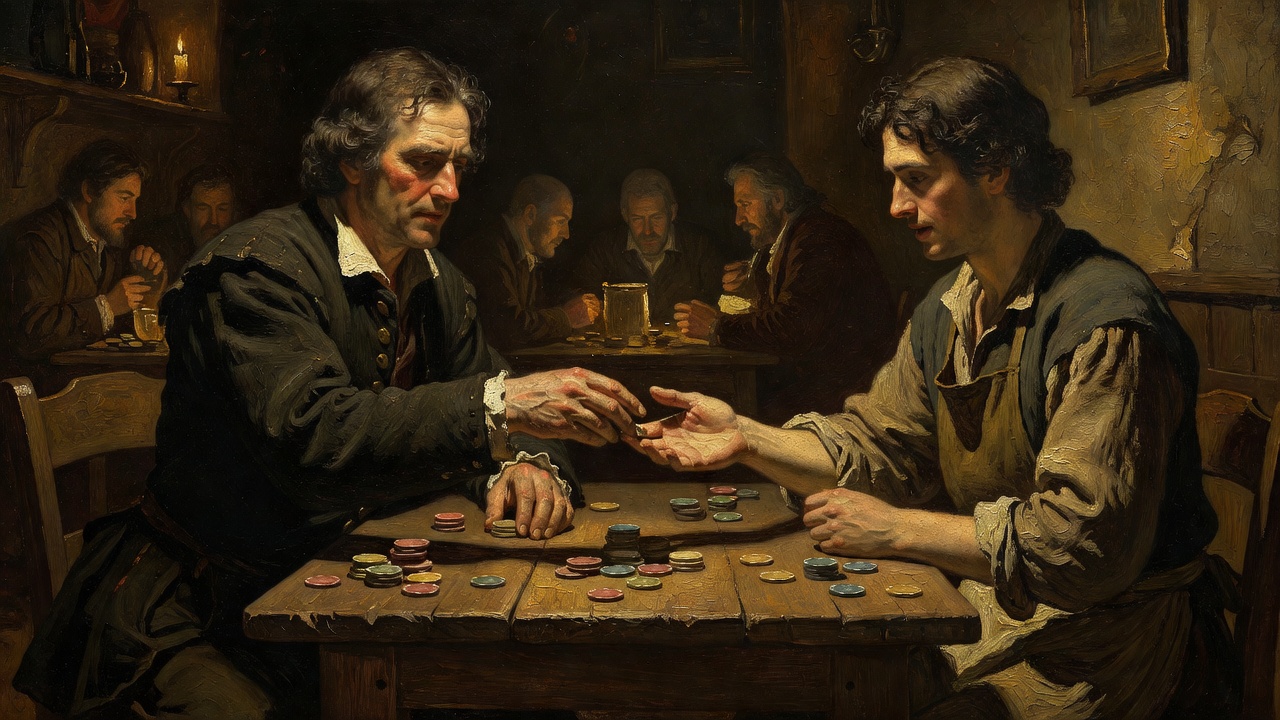
You walk into the poker room at the Commerce Casino. The lights hit different when you're about to sit. Dealer's wearing a vest. Button's in front of Player 3. The felt is green. Chip stacks are moving. You've got $200 in your pocket and a question: how much do you tip the person running this table?
Tipping dealers isn't optional. It's not a nice-to-have. It's the operating system of live poker. That dealer controls pace. Decides whether to count down pots. Decides whether your river bet gets called fairly or if everyone's confused about the action. Respect the dealer. Money follows respect.
Standard tipping happens when you win a hand. A pot reaches $50, you win. That's a $1 chip in front of the dealer's tray. A pot hits $200, you win. That's $2-3. The percentage math is simple: 5% of the pot. Sometimes less if you're grinding low stakes. Never zero.
Here's what gets you remembered: tipping big on small wins. You flop a pair, someone pays you off on the turn, pot closes at $35. You slide them two chips. Dealer notices. Dealer's hands move faster. Announcements get clearer. The game improves around you because you're not cheap.
The Poker Room Economy
Dealers make $2 an hour. Tipping is their wage. That $150 you won doesn't happen without this person's attention. They monitored for collusion. They prevented angle-shooting. They kept the game honest. The tip acknowledges transaction. Money for service.
Where it gets specific: tipping on bad beats. You lose a hand you should've won. Your two pair gets counterfeited. The runner delivers a straight. Nobody loves this. But the dealer didn't deal the river; the deck did. Don't punish the messenger. Tip normal or don't tip. Never tip less because you lost.
Multi-way pots change the equation. Three players competing. Pot's $120. One player wins. Tip that dealer $2, not $1. More action requires more focus. The dealer's brain is working overtime tracking three stack positions, three betting histories, three hand possibilities. Compensate accordingly.
When you cash out, tipping the chip runner is optional but smart. You brought in $200, you're leaving with $400. Give the chip runner a chip. Not a dollar. Chips create status. It says you understand the economy here. You're not some tourist counting cash.
Straddled pots create weird tipping situations. The straddle means someone posted blind money before cards were dealt. If you win that pot, the financial expectation rises. The dealer's executing a more complex sequence. Tip slightly above normal. The complexity merits compensation.
Here's what separates winners from grinders: consistent tipping. Grinders tip $1 every time regardless of pot size. It costs less psychologically. Winners tip percentage-based. Bigger pot, bigger tip. Bigger tip creates velocity with the dealer. That velocity translates to better energy. Better energy attracts better players to the table. Better players mean better pots. Economics compound.
Never tip on your own big blind when the big blind wins. The blind wasn't a decision. The button pushed you there. That's not a skill win. That's just surviving and then getting lucky. Tip normally, same as anyone else, because the fairness matters more than your mood.
The last thing: if you're not tipping, you're not serious about poker. Serious players understand the infrastructure. They understand that a $20 tip on a $400 day isn't charity. It's business expense. It's investing in the environment that made the $400 possible. The dealer makes $15 an hour thanks to your respect. You make money because the dealer respects you back. That transaction is the foundation of everything.
Filed under: Poker, Live Casino