

Spin the Wheel Bonuses: A Look at Gamified Promotions
Gamification is a psychological tool. It makes a transaction feel like a game. A spin-the-wheel bonus is not a bonus. It is a game that happens to award money. The distinction changes how your brain responds.
Filed 13 May 2026 · 2 min read
Casinos use gamification because it exploits the way your brain processes reward. A traditional bonus is passive. You deposit two hundred dollars, you get one hundred dollars free. The transaction is complete. You take the money and play.
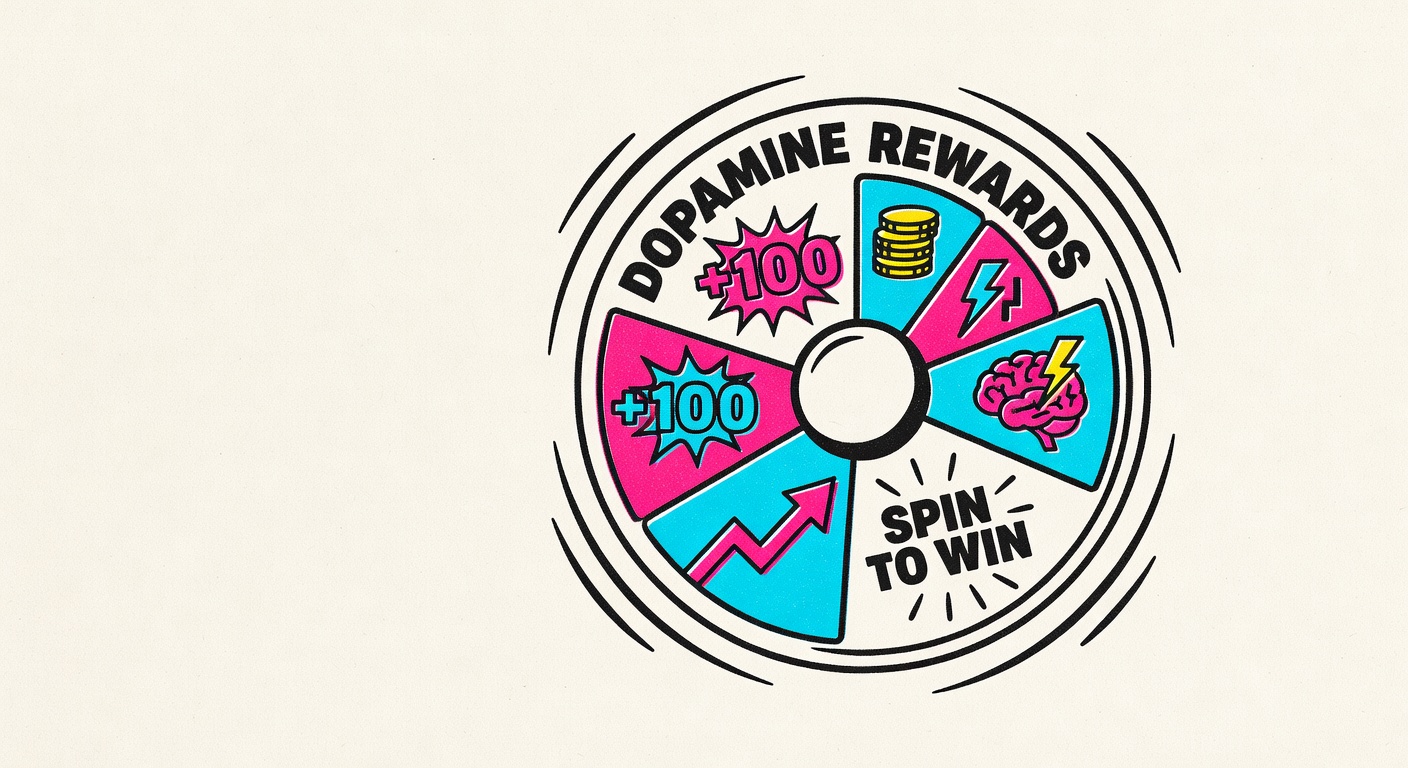
A gamified bonus is different. You deposit two hundred dollars. A wheel appears. It has sections labeled 50, 100, 150. You click "spin." The wheel rotates. You watch the arrow move across the sections. It lands on 100. You won. You feel the win. Your dopamine spiked during the spin.
Neither version is better for you. Both give you the same expected value. But the gamified version feels like you earned it. This is the mechanism that makes gamification work. You provided no additional value. Your action was identical to passive bonus acceptance. But the game adds a participation step that your brain interprets as agency.
Why Casinos Deploy This
Retention is the goal. A player who feels they "won" their bonus is more likely to use it immediately. They are more likely to play longer sessions. They are more likely to feel invested in the outcome of their play. A player who received a passive bonus might take the money and leave.
The wheel itself is designed to make all outcomes feel close to equal. One section is 150. One is 50. As the wheel slows, the needle sometimes hovers between two sections. You lean forward. You watch. Your attention is locked. The sections are usually arranged so the highest payouts are visible but the wheel rarely lands on them.
Psychologically, near-misses on the wheel create a sense of unfinished business. You received 100 in bonus. The wheel almost landed on 150. Next time, you hope, it will land on the high value. This creates anticipation for the next promotion. The near-miss effect is powerful and well-documented in gambling behavior research.
The Actual Terms
The bonus has requirements. Wagering requirements. You must wager the bonus thirty times before you can withdraw it. If you win during those thirty wagerings, those winnings are added to the requirement total. This creates a moving target. You chase the requirement, trying to complete it before the bonus expires.
Expiration dates matter. A bonus that expires in seven days creates urgency. You must play immediately. You must play frequently. The casino has created scarcity. Scarcity changes how we perceive value. A bonus expiring in seven days feels more valuable than a bonus expiring in three months, even if they are identical.
The gamified bonus is a tool for onboarding players into sustained engagement. The game is not the gambling. The game is the bonus itself. Once you have started playing to clear the bonus, you are already in the habit loop. Habits persist after the bonus expires. The player who was incentivized to play daily for a week continues playing daily because the behavior became routine.
The wheel is not random. It cannot be. The casino controls the average payout. The sections are weighted. Your odds of landing on the middle values are higher than your odds of landing on the extremes. This is disclosed nowhere. You assume fairness. The wheel rolls. You lose the game you did not know was rigged.