

How Session Timeouts Protect Casino Players
A session timeout forces you to step away from the game. You might resist it. But it works. I have seen it save people from themselves.
Filed 7 June 2026 · 3 min read
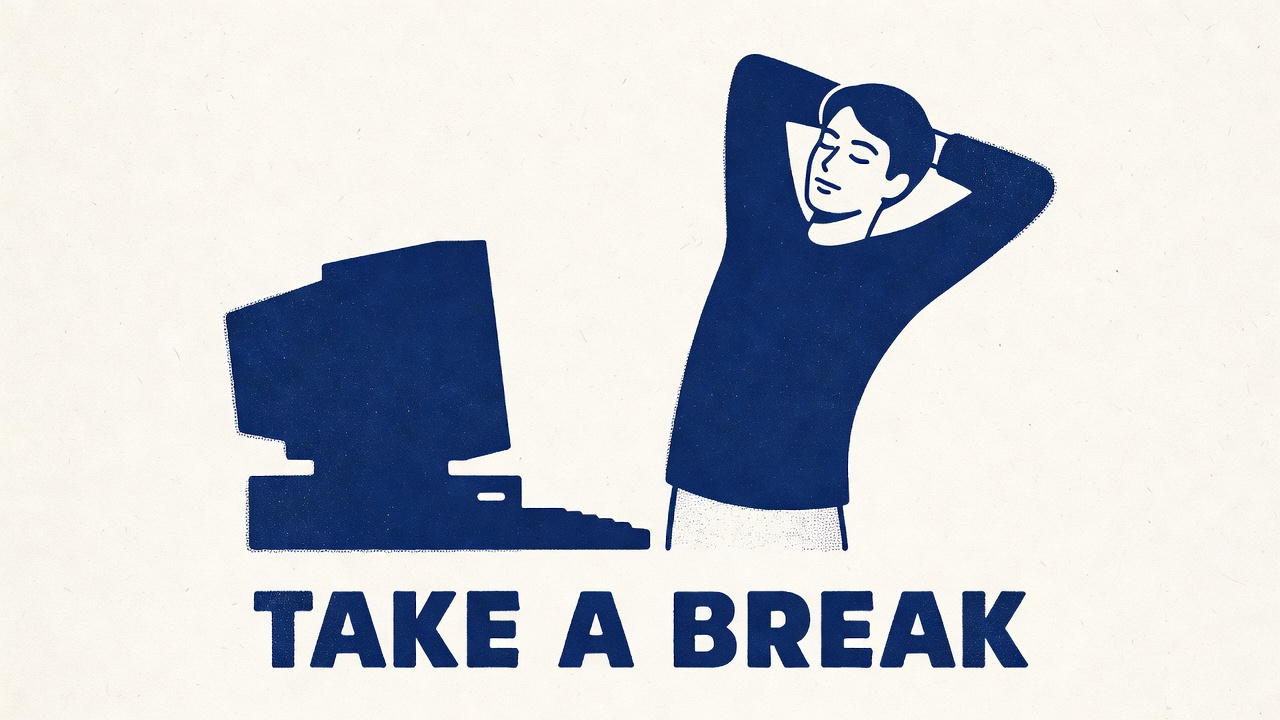
When you set a session timeout, you are telling the casino: make me stop playing after four hours, no matter what. The casino respects this setting. After four hours, your session ends. You cannot continue playing. You have to log back in, and by that time, the moment has usually passed.
This is one of the most effective responsible gambling tools because it uses distance and friction to interrupt the trance state of gambling. When you are playing, your thinking is different. You are in flow. Your judgment is impaired. A four-hour session feels like 45 minutes. You have lost track of time, money, and decision-making.
Then the timeout hits. The system logs you out. You are suddenly standing in your room instead of sitting at the game. The spell breaks. Often, you realize how much time and money have passed. Often, you decide not to log back in.
For some people, the timeout creates enough distance that rational judgment returns. They look at their account balance. They remember their bankroll limit. They remember that they were supposed to stop at $200 loss. They have already lost $300. The timeout saved them from more losses.
It works because it uses a basic principle: immediate action takes priority over delayed action. If you want to keep playing, you have to re-log in. That extra step is enough friction to make some people stop.
A vacation hold is the nuclear option of timeouts. You request that your account be inaccessible for 30 days. The casino puts a hard stop on it. You cannot call customer service and get it lifted. You cannot reset your password. The account is simply locked.
During a vacation hold, the temptation to log in diminishes. Each day that passes, the impulse weakens. By day 7, you are usually past the acute urge. By day 14, you have found other things to do. By day 30, when the hold lifts, you are often no longer feeling the pressure to play.
A session timeout is not weakness. It is accepting that you are human and that your judgment changes under stress.
I knew a man who set a session timeout for two hours. He would play for his two hours, the timeout would hit, and he would stop for the day. He did this consistently. Every session, he would walk away from the computer. After six months, he had actually made money instead of losing it.
He was not a skilled player. He just had discipline. The timeout helped enforce that discipline. Without it, he would have played for six hours, lost money, and rationalized his way to a bigger deposit.
The casinos that make timeouts easy to set are treating players with respect. The casinos that bury the timeout feature in their responsible gambling menu are treating it like a box to check rather than a real tool.
The best casinos let you set session timeouts, loss limits, deposit limits, and vacation holds with three clicks. The worst casinos make you dig through multiple menus to find these features.
Final point: use timeouts before you need them, not after. Set a session timeout when you are thinking clearly, not after you have already lost more than you wanted to. The decision you make before gambling is more reliable than the decision you make during gambling.
Filed under: Regulation, Security, Strategy