

Payment Security at Licensed Online Casinos
Licensed casinos process payments through regulated channels. This has not always been the case. The history of casino payments is a history of how regulation forced transparency.
Filed 12 May 2026 · 2 min read
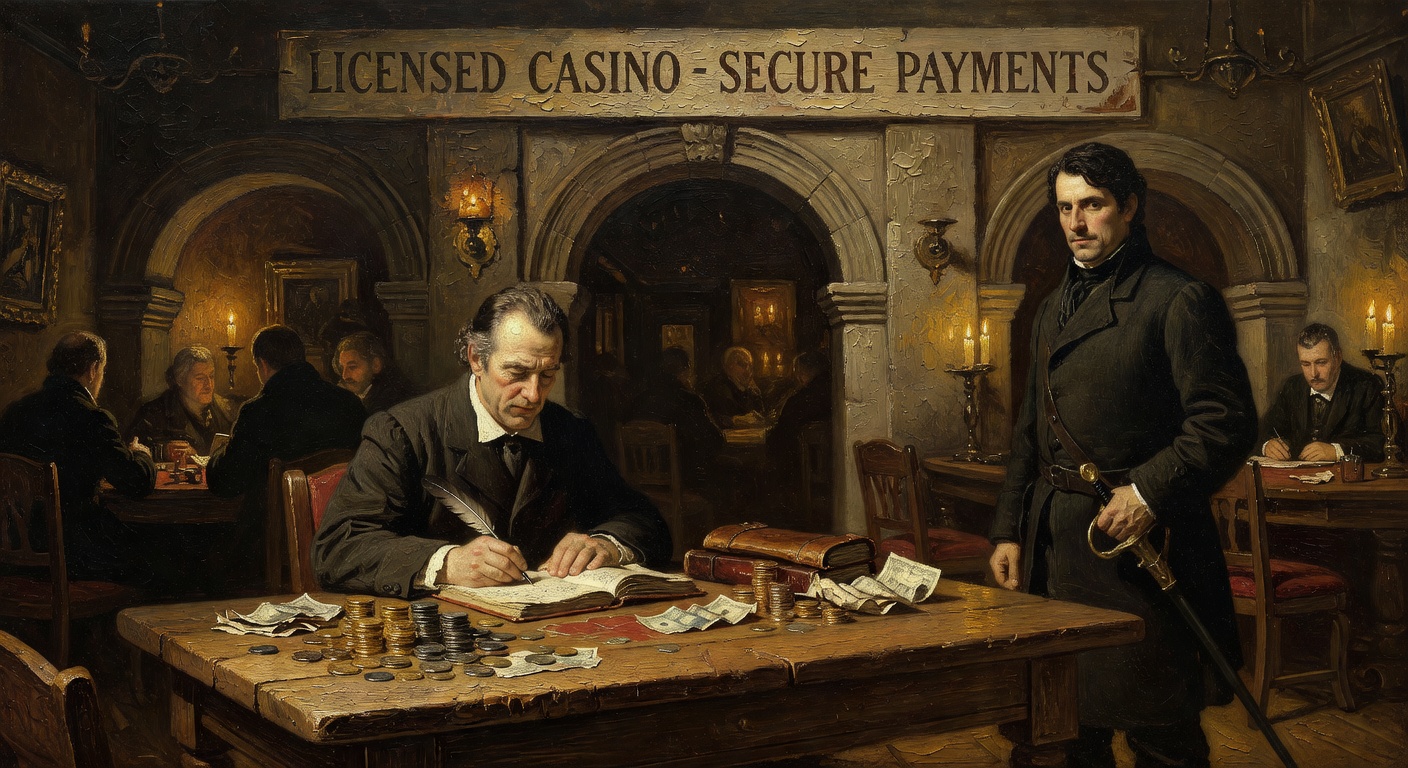
In the 1990s, casino payments were made through unregulated channels. Wire transfers. Cash couriers. Numbered accounts in jurisdictions where secrecy was guaranteed. A player could have their money stolen and there was no legal recourse because the transaction was illegal to begin with.
The regulatory environment changed. Nevada required licensed casinos to process payments through banks. Banks required documentation. Documentation required identity verification. This created a chain of accountability. If a casino took your money and did not pay out, you could complain to the bank. The bank could force the casino to return the funds.
Licensed casinos now process payments through payment processors like Stripe, PayPal, and specialized gaming payment companies. These processors have their own regulations. They verify the casino is licensed. They verify the player's identity. They keep records of every transaction.
How Security Works In Practice
A player deposits money at a licensed casino. The payment goes through a processor. The processor charges a fee. The casino receives the funds. The funds are held in a player account, separate from the casino's operating funds. If the casino fails, the player's funds are theoretically protected.
Keyword is theoretically. The protection depends on the jurisdiction. In Malta, licensed casinos must maintain segregated accounts. In Curacao, the rules are less clear. In Nevada, the segregation is mandated and enforced. The licensing jurisdiction determines the level of protection.
A player should verify the licensing jurisdiction before depositing. A casino licensed in Malta has more oversight than a casino licensed in Curacao. The difference is not trivial. The difference is the difference between money you might recover and money you might lose.
The Payment Methods
Credit cards are safer than wire transfers. If a casino charges your card fraudulently, the card company can reverse the charge. Wire transfers cannot be reversed. Once the money is transferred, it is gone. This is why legitimate casinos prefer cards and methods that can be reversed.
Cryptocurrency is irreversible. A casino that accepts Bitcoin is making a statement: they are not protected by payment processors. They handle their own security. This is riskier for the player because there is no intermediary protecting them.
Unfortunately, many licensed casinos accept cryptocurrency because it is profitable. The player assumes the risk. The casino collects the fees. The regulatory framework provides no protection for cryptocurrency transactions.
What Changed
In the early 2000s, many online casinos processed payments through shell companies and offshore processors. A player could lose their money and have no avenue to recover it. The regulator in the jurisdiction where the casino claimed to be licensed might not actually regulate anything.
Licensed casinos today are different. They use established payment processors. They maintain segregated accounts. They submit to audits. The layer of protection is real. It is not perfect. But it is significantly better than what existed before.
The history of casino payments is the history of how governments forced transparency on an industry that preferred secrecy. That history is not finished. New jurisdictions are creating new regulations. New payment methods are emerging. The balance between security and convenience is constantly shifting.
Filed under: History, Payments, Regulation, Security