

Live Dealer Chat: Unwritten Rules for Players
Live dealer games have a chat function. What you can say in chat and what you should not say reveals a lot about casino culture. Here are the unwritten rules.
Filed 16 May 2026 · 3 min read
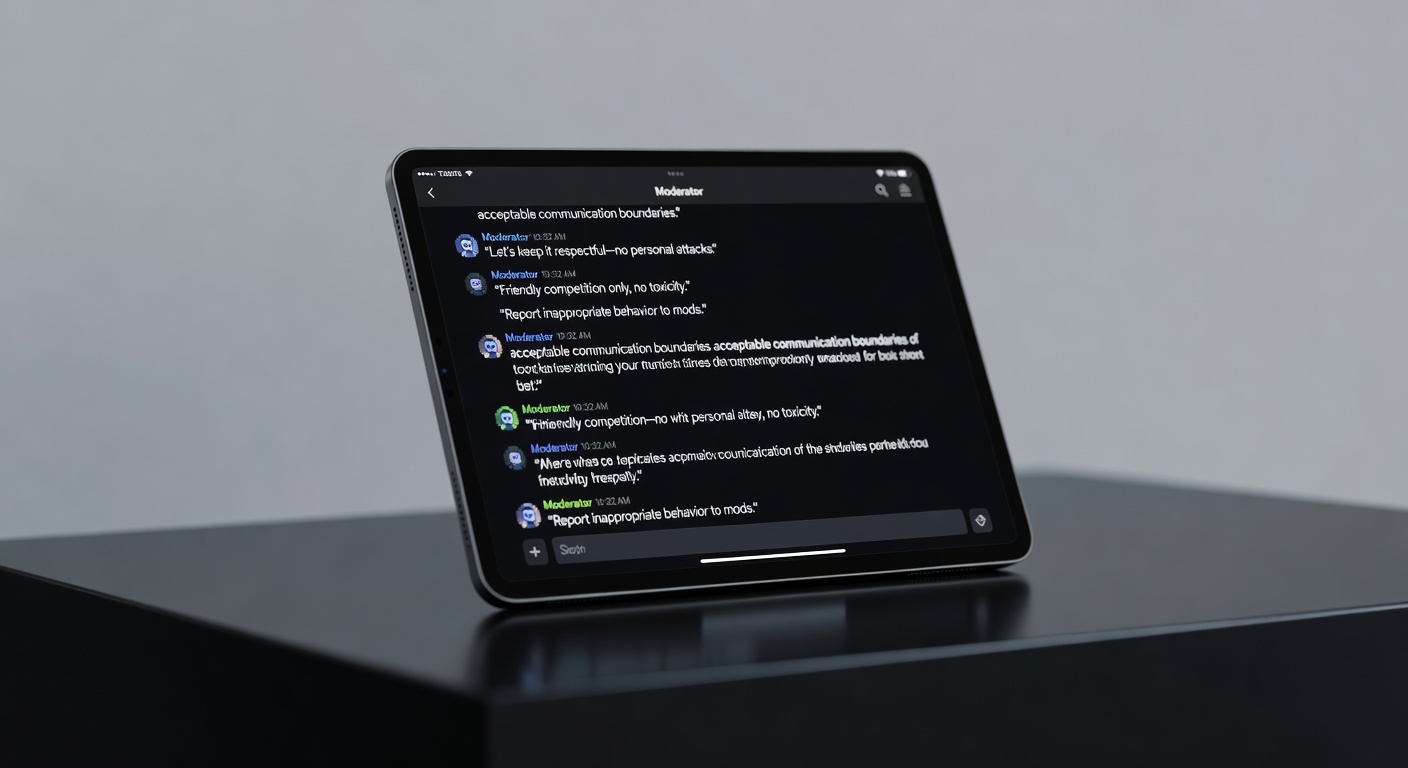
A live baccarat player types in chat: "The dealer is bad at her job." The casino's moderation system flags the message. It does not get posted. The player gets a warning. If they do it again, they get banned.
This is not about censorship. This is about maintaining the professional environment where dealers work. A dealer sits at a table for 8 hours. They deal hundreds of hands. Casual players send them comments via chat. The comments can be supportive, funny, or hostile.
The unwritten rules of live dealer chat are: be respectful, do not blame the dealer for outcomes, do not make sexual comments, do not demand special treatment.
What gets a pass: jokes about luck, encouragement when you win, frustration with your own play. What does not get a pass: insults at the dealer, complaints about the game being rigged, demands for special dealer attention.
Some players treat live chat like it is a bar. They are relaxed, they are casual, they are making jokes. The dealers often appreciate this. A few chatty players make the 8-hour shift more engaging.
Other players use chat to tilt. They blame dealers for their losses. "Dealer is rigging this." "This game is a scam." "The deck is not shuffled properly." The casino takes these seriously because they can indicate fraud accusations.
Some players try to game the dealer. They compliment the dealer, then ask for special shuffles or special bets. They are trying to establish rapport and then exploit it. Dealers are trained to ignore these requests. The game has rules. The dealer follows them regardless of rapport.
A live dealer is a professional. Treat them professionally and they will be attentive. Treat them poorly and they will be indifferent.
Some players make sexual comments. This gets the fastest bans. The dealers are usually young and attractive. Some players see that as license to flirt or make comments. The casino does not tolerate it.
Some players are racist or homophobic in chat. This gets immediate permanent bans. The casino does not want to deal with that, and the dealers certainly do not want to deal with it.
The behavioral economics of live chat: players tend to be more respectful on camera (since they can be moderated and banned) than they are playing solo slots. The live element changes behavior. You are talking to a real person, not a machine. Most people adjust their behavior accordingly.
The best chat players are the ones who understand that the dealer is a professional doing a job. They make light conversation, they do not blame the dealer for outcomes, and they tip (if the platform allows it). These players often get better table assignments and dealers who seem a bit more attentive.
The worst chat players are the ones who think the dealer works for them. They make demands, they complain, they insult. These players get basic, efficient service. The dealer is polite but distant.
It is not that the dealer is biased or that the game changes. It is just that the dealer's energy matches the player's energy. A hostile player gets a professional but cold response. A friendly player gets a warmer interaction.
Final rule: never accuse the dealer or the casino of cheating. Even as a joke. The casino takes fraud accusations seriously. You will be watched more closely. Your account might be flagged. Simply do not do it.
Filed under: Baccarat, Live Casino, Security, Strategy