

Ethereum Gas Fees and Casino Withdrawals: The Math Behind Network Costs
When you withdraw crypto from an online casino, the blockchain itself extracts a tax.
Filed 5 August 2026 · 3 min read
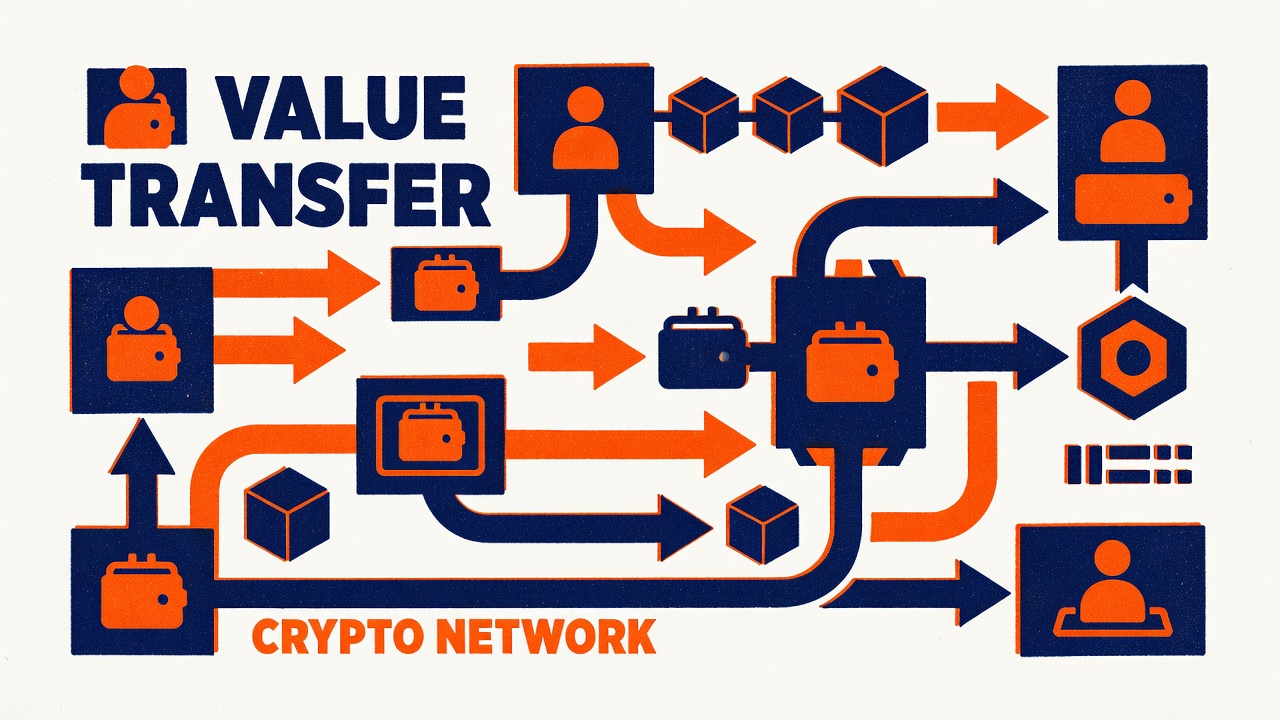
When you withdraw crypto from an online casino, the blockchain itself extracts a tax. This tax is called a gas fee, and it represents the computational cost of bundling your transaction into a block. It is not a fee the casino collects. The difference matters because a casino can absorb or advertise away its own markup; the network fee is a fact of physics, denominated in Gwei, paid to miners or validators who secure the ledger.
Gas is measured in units, and each unit costs a variable amount of ETH depending on network demand. During high-traffic periods, every user on the Ethereum network competes for block space. A casino withdrawal might cost $8 in fees when the network is quiet and $150 when everyone is transacting at once. The casino cannot negotiate this away. They can choose which network to use, but once chosen, they are subject to its market rates.
The Two-Layer Cost Problem
First, the withdrawal itself: your casino account sits on the casino's internal ledger. When you request withdrawal, the casino must move your balance off their books and onto the blockchain. This is a transaction like any other, and if it uses Ethereum mainnet, it pays mainnet gas. A typical transfer costs between 21,000 and 100,000 gas units depending on the smart contract logic. At 50 Gwei per unit, that is 1.05 to 5 ETH, or roughly $2,100 to $10,500 at current prices. The casino absorbs this, or passes it to you.
Second, the deposit itself when you fund your account: you must move ETH from your wallet to the casino's smart contract. Same cost structure. Smart operators batch deposits into single transactions to spread gas across multiple users.
Some casinos use Layer 2 networks like Arbitrum or Optimism instead. Gas there costs 1/100th of mainnet in many cases. The trade-off: you are now trusting a second set of validators, and cross-network bridges introduce new attack surface. This is why large operators publish their risk models.
How Casino Math Changes
Consider the numbers:
- At $100 Gwei gas prices, a 100,000-unit withdrawal costs $12.80 in fees.
- At $200 Gwei, the same withdrawal costs $25.60.
- During network congestion in May 2021, that transaction reached $500 in gas alone.
Casinos price deposits and withdrawals around these costs. If they advertise a "free withdrawal," they are either using a rolled-up settlement service that batches transactions, operating on a low-cost chain, or building the gas cost into your deposit requirements via higher rake or tighter odds.
Many players don't realize their $20 withdrawal request involves the casino front-running $30 to $100 in gas costs on their behalf.
Casinosin high-volume markets are also designing products to reduce withdrawal frequency. This is not malice; it is arithmetic. If the casino processes 1,000 withdrawals per day and each costs $50 in gas, that is $50,000 per day in fixed costs. The casino will make up that margin by offering slightly worse odds, higher minimums, or slower settlement times.
Finally, there's the question of custody. When you hold ETH in a self-custodial wallet, you pay gas only when you choose to move it. When you hold it in a casino's wallet, the casino's withdrawal process triggers the fee. Some players respond by keeping a balance on the casino and only withdrawing when the fee environment is favorable. This is rational, but it reintroduces counterparty risk.
The key insight: Ethereum's gas fees are not hidden or negotiable. They are a transparent function of network demand. A casino's terms around deposits and withdrawals reveal whether they are passing fees through to you, absorbing them for reputation, or designing products to avoid small transactions altogether.
Filed under: Crypto Gambling, Payments