

Decentralized Poker: Can Blockchain Replace Traditional Poker Rooms?
Blockchain poker is provably fair. No dealer is cheating. No platform is skimming. All transactions are on chain. The system is transparent. The question is whether transparency is enough.
Filed 14 May 2026 · 2 min read
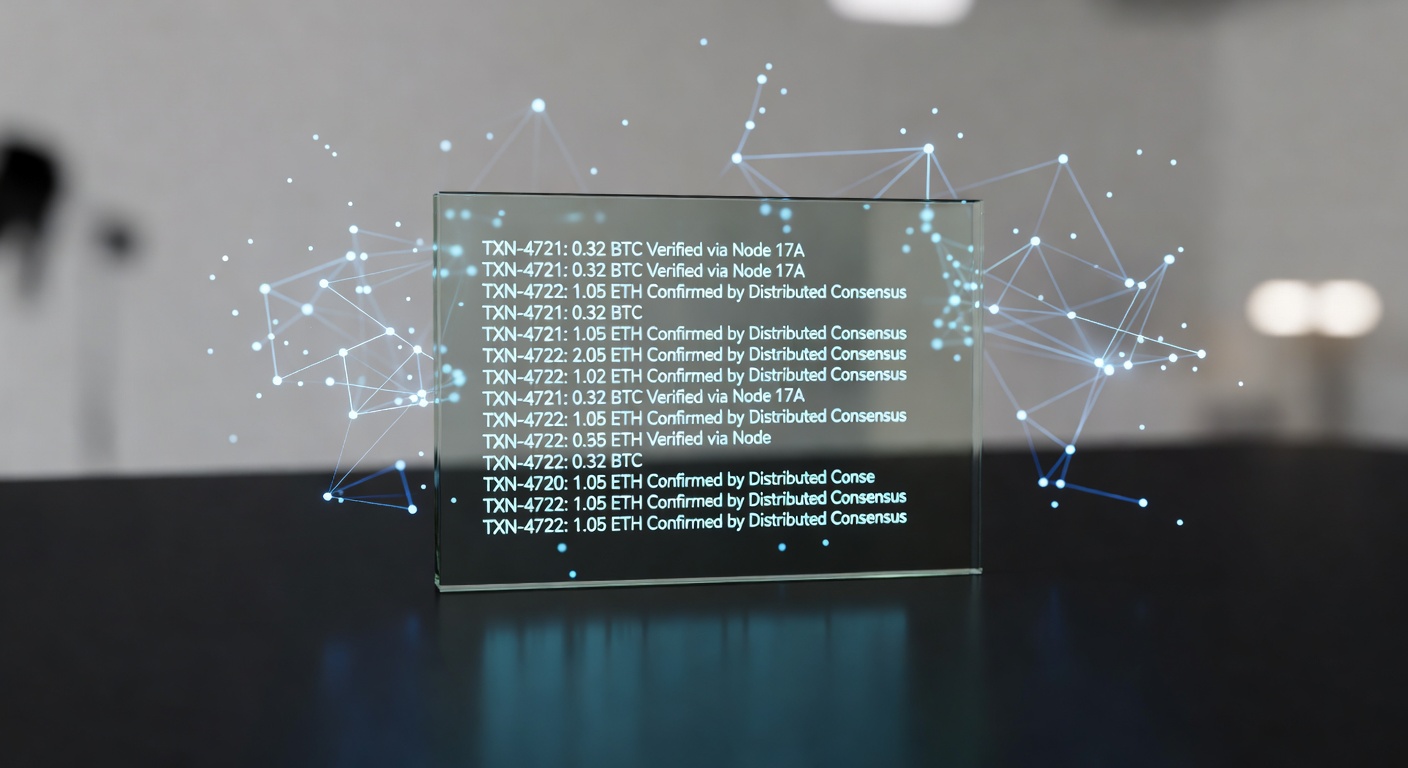
A decentralized poker room runs on blockchain. Players deposit cryptocurrency. Players play against each other. Smart contracts handle the payouts. No central authority. No dealer. No house taking juice.
First, the interesting parts. The randomness is verifiable. Every shuffle is recorded on the blockchain. Players can verify that the shuffle was random. This is provably fair. A traditional poker room has dealers and cameras and regulatory oversight. A blockchain poker room has mathematics.
Second, the cost structure is different. Traditional poker rooms take juice. 5 percent. Blockchain poker rooms take transaction fees. Maybe 1 percent. The savings are real. A player who plays one thousand hands per year saves money on blockchain.
The Problems
Liquidity is the first problem. A traditional poker room has hundreds of players. Games run at multiple stakes. A blockchain poker room has maybe dozens of players. Games are hard to find. When a game runs, it might have whale imbalances. One rich player destroys the game.
Speed is the second problem. A blockchain transaction takes time to confirm. Ethereum might take 15 seconds. Solana might take 400 milliseconds. Either way, the speed is slower than a traditional room where chips move instantly. Speed matters in poker because it affects the number of hands per hour.
Regulation is the third problem. A traditional poker room is in Nevada or Pennsylvania or online in New Jersey. These jurisdictions have regulations. A blockchain poker room is in no jurisdiction. It is everywhere and nowhere. A player who loses money and thinks they were cheated has no regulator to complain to.
The Systemic Question
Poker is a network effect game. More players means better games. Better games means more players. A blockchain poker room that starts small will stay small because the games will be worse than traditional rooms. Players will play where the games are good. The games are good where there are many players. The blockchain room cannot break this cycle.
A traditional poker room has collateral. The room has real estate. The room has licenses. The room has reputation. If the room cheats, they lose the collateral. A blockchain room has no collateral. If the room cheats, players notice eventually but recovery is impossible. The incentive to be honest is theoretical.
Decentralization sounds good in theory. Decentralization means no single point of failure. But it also means no single point of responsibility. If something goes wrong, nobody is responsible. Nobody has resources to fix it.
The Path Forward
Blockchain poker rooms will remain niche. They serve a specific audience: players who want to avoid traditional regulation. This audience exists. It is not large enough to support the largest rooms. But it is large enough to support small games.
The future is probably hybrid. A traditional room that uses blockchain for some functions. Verifiable shuffles. Transparent payouts. But still with a central authority that can enforce rules and refund disputes.
Pure blockchain poker removes the trusted intermediary. But poker requires trust. You trust the dealer to shuffle fairly. You trust the room to pay you when you win. Remove the intermediary and you remove the trust. Replace it with code. Code is transparent but code does not care about fairness. Code just follows its instructions.
Filed under: Crypto Gambling, Payments, Poker