

What Is an ADR Body in Online Gambling?
An ADR body is a third-party dispute resolution system designed to handle complaints between players and casinos. It is a retention mechanic: it makes the system feel fair, which keeps players engaged longer.
Filed 26 April 2026 · 4 min read
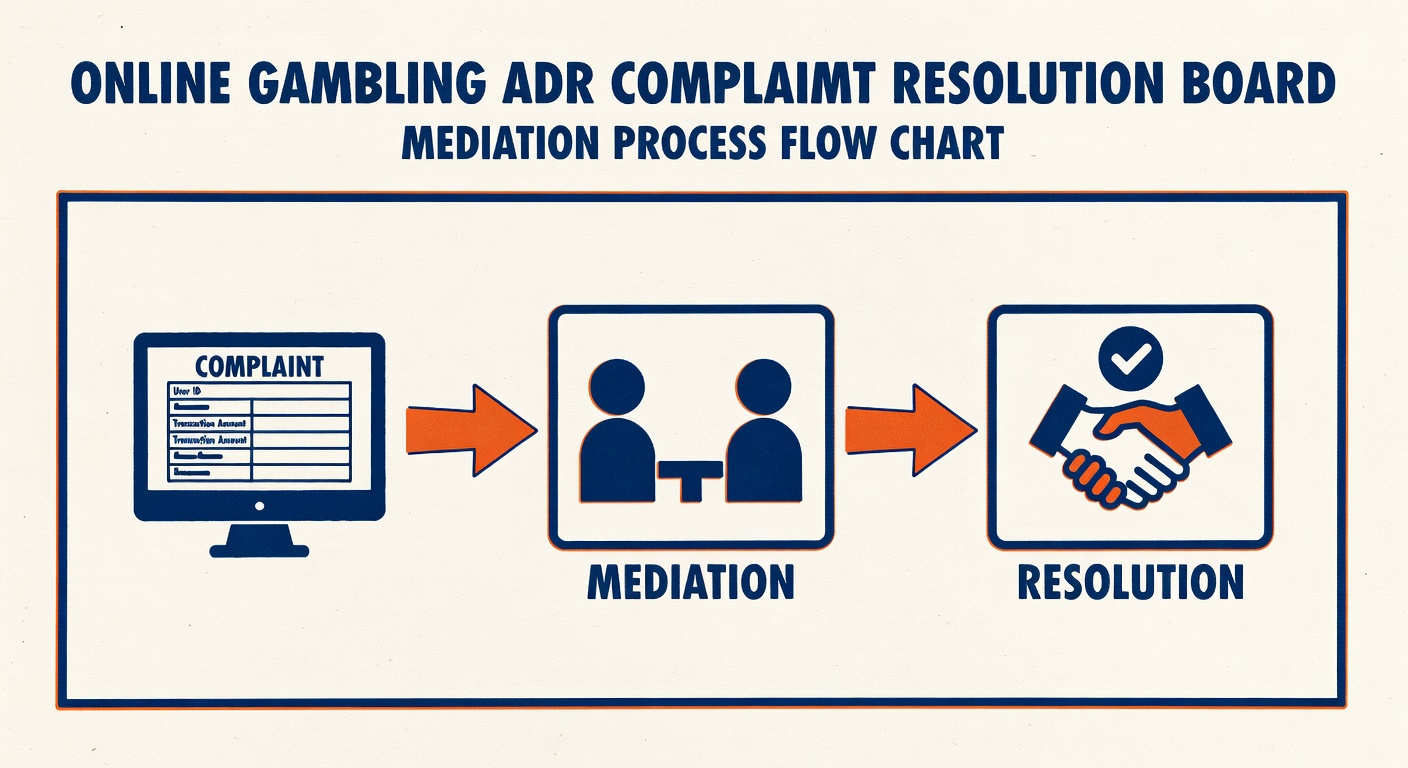
An Alternative Dispute Resolution, or ADR, body is an organization that resolves disagreements between players and online casinos outside of court proceedings. When a player claims the casino wrongfully withheld funds, or the casino claims the player violated terms of service, the ADR body investigates and issues a decision. The decision is technically non-binding, but it carries significant weight.
The systems design is explicit: ADR bodies exist to keep players playing. If a player believes they are cheated, they can either take the casino to court (expensive, time-consuming) or escalate to an ADR (free, fast). If the ADR rules in the player's favor, the casino must pay. If the ADR rules in the casino's favor, the player can still pursue court action but rarely does. The ADR is a pressure release valve.
This is not to say ADR bodies are merely theater. Many are genuinely rigorous. eCOGRA, Gaming Commission Malta, and other bodies investigate complaints seriously. But their existence serves a game design function: they provide players with the appearance of recourse, which increases trust and engagement.
How ADR Bodies Are Incentivized
Most ADR bodies are funded by the casinos they regulate. This creates an obvious conflict of interest. A casino paying for dispute resolution might hope for decisions favoring the casino. This does not always happen, but it is a structural incentive.
Some players see this and refuse to use the ADR. They pursue court cases instead. But court cases take years and cost money. Most players accept the ADR process because it is immediate and free. The design encourages adoption even when the funding structure is suspect.
A few ADR bodies are funded by regulatory authorities or industry associations rather than individual casinos. These are theoretically more impartial. But even well-funded, independent ADRs have limited enforcement power. If a casino ignores a ruling, the ADR can report the casino to the licensing authority. The licensing authority can suspend the casino's license. But this process takes time, and by then the player has already spent enormous effort on dispute resolution.
The Complaint Mechanism
Most casinos require players to exhaust internal complaint procedures before accessing ADR. The player contacts customer service. Customer service investigates. If unresolved, the player can escalate. If still unresolved after a defined period (typically 30 to 60 days), the player can involve the ADR.
This staged approach serves a mechanical function. It gives the casino internal opportunities to resolve issues and retain the player without external intervention. It delays external scrutiny. It creates a psychological hurdle: only the most frustrated players will continue past the internal complaint stage.
The ADR complaint process itself typically takes 30 to 90 days. The ADR collects evidence from both the casino and the player, issues a recommendation, and notifies both parties. If a casino ignores the recommendation, the player can pursue legal action, but legal action is costly and slow.
Common Complaint Categories
Most ADR complaints fall into a few categories. Unresolved withdrawal requests. Players claim they submitted a withdrawal request that was never processed. Casinos claim they processed it correctly and the fault lies with a payment processor. The ADR determines what happened based on transaction records.
Terms of service violations. A player claims they were unfairly accused of bonus abuse or account manipulation. The casino claims it has clear evidence of the violation. The ADR reviews the evidence and the terms of service to determine if the violation was clearly defined beforehand and clearly demonstrated.
Game malfunction. A player claims a game malfunction caused losses they would not have incurred if the game functioned properly. The casino claims the game worked as designed and the player lost fair coin flips. The ADR reviews game logs and software behavior.
Unauthorized account access. A player claims their account was accessed by someone else and funds were withdrawn. The casino claims the access was legitimate. The ADR examines access logs, device information, and other evidence.
The Incentive to Cheat
An ADR body has incentives to rule in favor of casinos because casinos are their clients. But they also have incentives to rule fairly because players can complain about the ADR to regulatory authorities. A pattern of unjust ADR rulings eventually prompts regulatory investigation.
The result is typically middling. ADR bodies are not cesspools of corruption, but they are not impartial judges either. Some rulings favor players, some favor casinos, some split the difference. A player should not assume the ADR is their advocate. They should assume the ADR is a legitimate but imperfect system.
What an ADR Cannot Do
An ADR cannot force a casino to change its terms of service or its operating procedures. An ADR can only rule on individual disputes. If a casino has a systematic practice that players find unfair, the ADR will hear complaints about that practice one by one. The regulatory authority can eventually ban the practice, but the ADR's role is reactive.
An ADR also cannot compel a player who lost fair games to accept a refund. If a player lost money by making poor decisions in an honestly functioning game, the ADR will side with the casino. ADRs distinguish between harm caused by the casino's misconduct and harm caused by bad luck or poor play.
The Broader Function
The existence of an ADR is sometimes the only reason a player trusts an online casino enough to deposit money. The idea that there is recourse if something goes wrong makes the experience less alienating. The ADR is thus part of the retention and engagement system, not separate from it. Understanding this function is key to understanding why they exist and what they actually do.
Filed under: Regulation